
WinSpin Casino Games
WinSpin's pitch is breadth: slots, live dealer tables, game shows, crash titles and a sportsbook, all behind one login and one balance. Two of those claims can be checked from outside and one cannot. The structure is real — the operator publishes a sitemap listing each section separately. The headline "more than 10,000 slot games" is advertising, because the lobby only renders after login and nobody outside an account can count it.
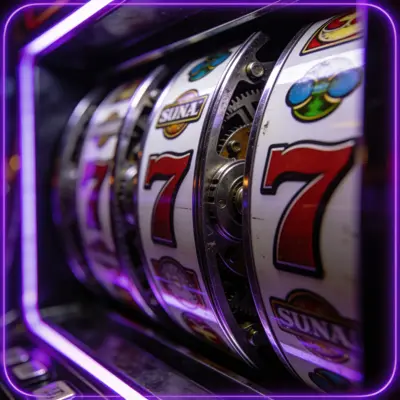
Slots
The advertised bulk of the library
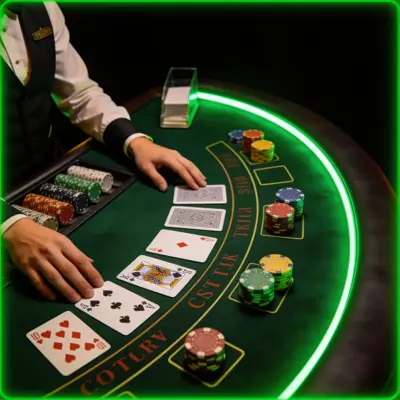
Live Casino
Blackjack, roulette, baccarat

Game Shows
Hosted live formats

Crash & Fast
Short-round instant games
The verticals, as published
The operator's own sitemap lists separate sections for Casino, Live Casino, Game Shows, Crash & Fast games and a Sportsbook, plus a Promotions hub covering tournaments, races and challenges, a VIP Club, a Loyalty Program and a Refer-a-Friend scheme. That is structural evidence rather than a marketing line, and it is the genuinely useful part of the offer: if you would otherwise keep separate accounts for live blackjack, a crash session and a weekend accumulator, this puts all three on one balance. If slots are the only thing you ever open, most of that menu is scenery.
Slots
WinSpin advertises "more than 10,000 slot games" alongside blackjack, roulette, poker, live dealer tables, live game shows and lotto. Treat the count as the operator's own figure — it is not independently audited, and at that scale the number matters far less than the filtering. Any library above a few thousand titles is navigated by search, provider filter and category, never by scrolling.
Which studios supply those games is not published anywhere reachable. Provider names are visible in the lobby after login and nowhere before it, so no studio list appears on this page. The same applies to return-to-player percentages: WinSpin does not publish RTP figures publicly, and RTP is the number most worth knowing per title. Check the game info panel inside each title once you are in.
Live casino and game shows
Live dealer tables — blackjack, roulette, baccarat — are streamed from a studio with a human dealer, which changes the pace completely compared with slots: rounds are measured in minutes, not seconds, and stakes are bounded by posted table limits rather than a per-spin setting. Game shows sit alongside them as a separate published section: hosted formats built around a wheel or a large-scale bonus round, aimed at people who find pure table play too dry.
Table limits, the number of tables running at peak hours and the provider behind the stream are all lobby-side details that cannot be observed from outside an account. What is worth knowing before you open one: live tables typically contribute far less than slots toward bonus wagering, sometimes nothing at all. If you are clearing a welcome offer, check the game weighting first. The bonus page covers why that single term decides more than the headline size does.
Crash and fast games
Crash and fast games are the crypto-casino signature format: a round lasts seconds, a multiplier climbs, and you cash out before it stops. The appeal is transparency and speed; the risk is exactly the same speed, because a format with ten-second rounds lets you place a hundred bets in the time a live blackjack shoe takes to finish. If you play these, set a session limit by time as well as by money.
Sportsbook
The sportsbook is a published section rather than an add-on, which is consistent with the brand's own title describing itself as an online casino and sports betting operation. Markets, limits and pricing are inside the app and cannot be reviewed from outside. Worth noting that sports bets and casino bonuses rarely mix: welcome offers in this category are usually casino-only, and sportsbook wagering commonly contributes nothing toward clearing them.
RNG slots versus live dealer — the actual difference
The two categories work on entirely different mechanics, and knowing which is which changes how each should be played. Slots run on a random number generator: every spin is an independent, software-generated outcome resolved instantly, unaffected by how many other players are online. Live dealer games are the opposite — a real dealer, a physical table or wheel, streamed on video, with outcomes decided by an actual shuffle or spin rather than code. The practical fallout: slots tolerate a patchy connection reasonably well, since there's little to stream; live tables need real, stable bandwidth, since a dropped frame during a bet window is a genuine problem, not a cosmetic one. Slots let you set your own pace; live tables run on the dealer's clock, with betting windows that close on schedule whether you're ready or not.
Volatility matters more than the advertised title count
A library advertised at more than 10,000 titles is a scale claim, not a quality one — the number that actually predicts how a session feels is volatility, which describes how a game distributes its wins, not how large its jackpot headline is. Low-volatility slots pay smaller amounts more often, suiting a limited bankroll or a short session where the main risk is running out of funds in the first few minutes. High-volatility slots pay rarely but larger when they do, suiting a bigger bankroll and a tolerance for long stretches without a win. Neither is objectively better; mismatching the two against your bankroll is a more common cause of a disappointing session than the game itself being poor. Most slot info panels disclose a volatility rating alongside RTP — check it before committing a session's budget to an unfamiliar title.
Filtering a five-thousand-plus catalogue without wasting a session
At the scale WinSpin advertises, browsing the whole lobby by scrolling is not a realistic way to find anything — the practical path is filter first, browse second. Provider filters narrow a catalogue that size down to the studios you already know you like, which is usually the single fastest cut. Theme and mechanic filters (branded titles, cluster-pays, megaways-style expanding reels, classic three-reel) come next once provider narrows things down but doesn't get you to a specific game. A "new releases" or "recently added" sort, where the lobby offers one, tends to surface titles that haven't been buried by an older catalogue's sheer volume.
Search by name only helps once you already know what you're looking for, which makes it the least useful tool for discovery and the most useful one for going back to something you played before. If a lobby's search only matches exact titles rather than partial strings, that's a lobby-software limitation, not something a casino chooses deliberately.
A short pre-session checklist
- Decide the game type before opening the lobby — slots for a short window, live or game shows for a longer one — rather than browsing undecided, which is how sessions run long by accident.
- Open the info panel on an unfamiliar title before committing real-money stakes to it, specifically the volatility rating and max-win multiplier.
- Check whether the category you're about to play counts toward an active bonus's wagering requirement, since slots and live/crash games are frequently weighted very differently.
- Set a stake amount and a stop point before starting a crash-format session — the round speed makes it the easiest category to lose track of time and total spend in.
What is not knowable from outside
- Game providers. Not published. Any list naming specific studios for this operator is guessing.
- RTP figures. Not published publicly; check per-title info panels in the lobby.
- Actual title count. Advertised at over 10,000, not verifiable outside an account.
- Table limits and peak-hour capacity. Lobby-side only.
- Jackpot pools. Progressive totals display live in the lobby, not on public pages.
For New Zealand players, the full sourced picture of the operator — licence, banking, bonuses and what independent reviewers say — is on the review page. For how the library behaves on a phone, see mobile casino.